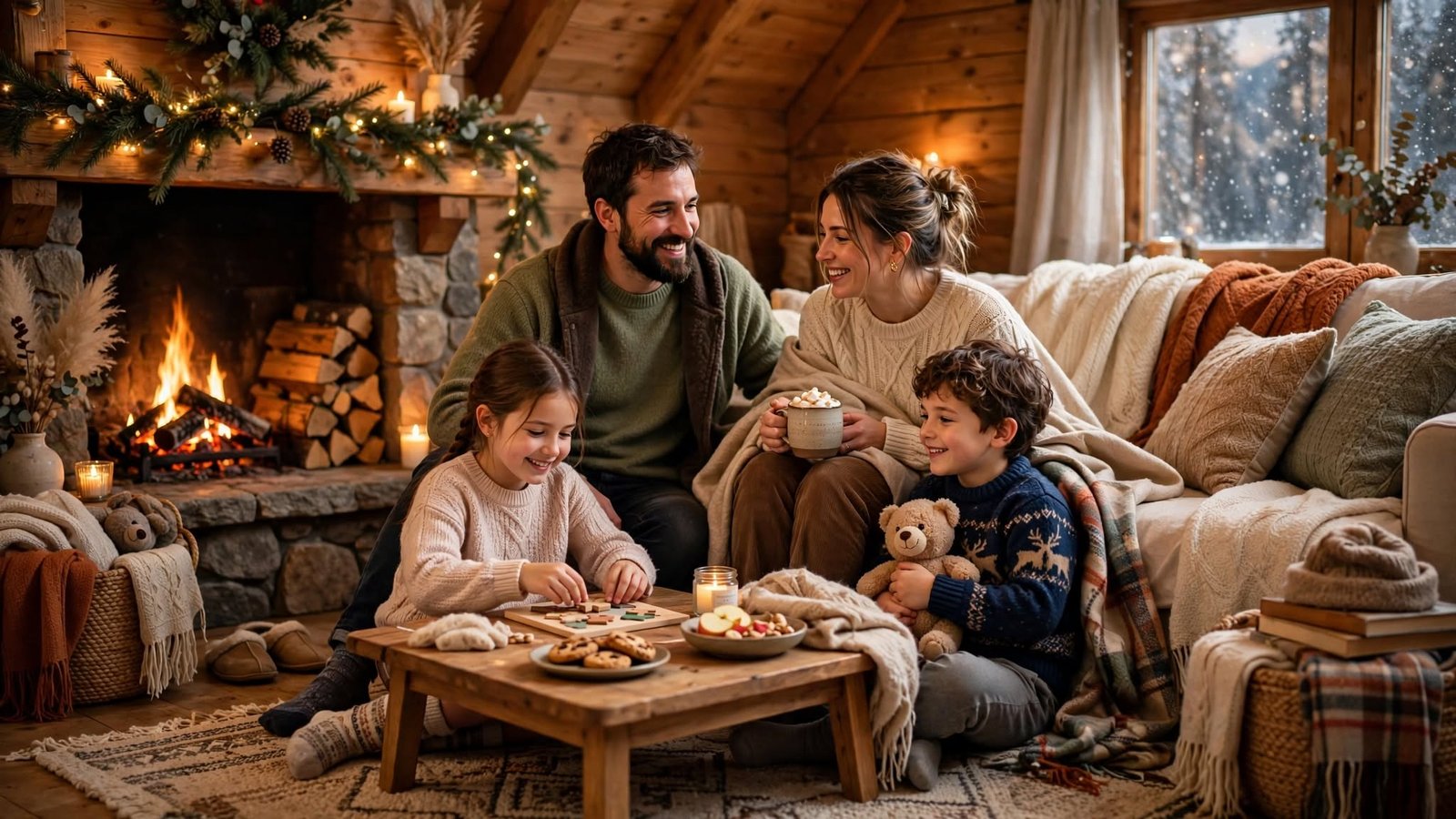
A cabin holiday offers a comfortable way to enjoy the outdoors without giving up the basic conveniences of home. Instead of dealing with tent poles, changing weather, or limited sleeping arrangements, you have a sheltered space where you can relax after a day outside. Still, staying in a cabin does not automatically guarantee a comfortable trip. A little planning can make a noticeable difference.
From choosing the right accommodation to packing useful extras and organizing meals, several small decisions can make a cabin holiday more comfortable and enjoyable. The aim is to create a practical base for your trip while leaving enough flexibility to enjoy the surrounding area.
Choose a Cabin That Matches Your Needs
Comfort begins before you arrive. Cabins vary widely in size, facilities, location, and level of privacy, so check the details rather than assuming that every cabin includes the same amenities.
Look at the number and type of beds, bathroom facilities, heating or cooling, cooking equipment, parking arrangements, and available outdoor space. If you are traveling with children, older relatives, or someone with limited mobility, also consider stairs, walking distances, and access to essential facilities.
Location matters too. A secluded cabin may provide peace and privacy, while one closer to shared facilities can be more convenient. Many of the considerations covered in What Makes a Good Campsite? Key Features to Look For Before You Stay can also help when assessing the wider setting around cabin accommodation.
Pack for Comfort, Not Just Necessity
Cabin accommodation usually reduces the amount of camping equipment you need, but thoughtful packing can still improve the experience.
Before leaving, confirm what the cabin already provides. Some properties include bedding, towels, cookware, and basic toiletries, while others expect guests to bring some or all of these items.
Bring a Few Useful Extras
Consider packing comfortable indoor clothing, slippers, reusable water bottles, chargers, a small torch, and weather-appropriate outerwear. A light blanket can also be useful for relaxing outside or adding warmth in the evening.
Entertainment is worth considering, particularly if the weather changes. Books, board games, playing cards, or downloaded films can make a quiet evening indoors more enjoyable without taking up much luggage space.
Make the Sleeping Area Comfortable
A good night’s sleep can shape the entire holiday. Even when a cabin provides beds and bedding, it helps to prepare for differences in temperature and personal sleeping preferences.
Check whether blankets and pillows are supplied. If you are sensitive to unfamiliar pillows, bringing your own may be worthwhile. In colder conditions, warm sleepwear and extra layers can help without relying entirely on heating.
Try to keep sleeping areas uncluttered. Store bags, shoes, and outdoor equipment away from beds so the cabin feels calmer and remains easier to move around.
Plan Simple and Flexible Meals
Food preparation can become one of the most enjoyable parts of a cabin holiday, especially when there is a kitchen, barbecue area, or outdoor dining space. However, complicated meal plans can create unnecessary work.
Choose meals that use a small number of ingredients and do not require specialist equipment. Pasta dishes, sandwiches, soups, grilled vegetables, breakfast wraps, and one-pan meals are practical options for many cabin stays.
Check the available cooking facilities before planning your menu. A cabin advertised as having a kitchen may have anything from a full cooking area to a microwave, kettle, and compact refrigerator.
Bring basic ingredients that are easy to forget, such as cooking oil, seasonings, tea, coffee, and snacks. Keeping a few quick meal options available is also useful after a long day of hiking, sightseeing, or other outdoor activities.
Keep the Cabin Organized
Small cabins can become cluttered quickly when several people are sharing the space. Simple organization helps keep the accommodation comfortable throughout the trip.
Choose one place for shoes and outdoor equipment, another for food, and a separate area for wet clothing. Unpacking essential items while leaving rarely used belongings in bags can also free up valuable space.
If you are traveling as a group, agreeing on basic routines for cooking, washing dishes, and keeping shared areas tidy can prevent small inconveniences from becoming frustrating.
Prepare for Changing Weather
Cabin holidays often involve spending time both indoors and outdoors, so weather can influence your plans. Pack layers that can be added or removed easily, along with suitable footwear and waterproof clothing when conditions may be unpredictable.
It is also useful to have an indoor alternative for each major outdoor plan. A rainy afternoon does not have to disrupt the holiday if you have games, reading material, local indoor attractions, or a relaxed meal planned as alternatives.
Weather preparation is about flexibility rather than trying to plan every hour.
Create Time to Enjoy the Surroundings
It can be tempting to fill a cabin holiday with activities, but leaving some unscheduled time often makes the trip feel more relaxing.
Enjoy breakfast outside when conditions allow, take an unhurried walk, watch the sunset, or spend an evening talking rather than rushing to the next activity. If the cabin is located near woodland, lakes, trails, or open countryside, allow enough time to appreciate those surroundings without turning every outing into a fixed itinerary.
At the same time, respect local rules concerning noise, fires, waste, parking, pets, and shared facilities. Being considerate helps maintain a pleasant environment for everyone staying nearby.
Keep Basic Safety in Mind
Comfort also depends on being prepared for ordinary problems. Know where emergency information, exits, and any supplied safety equipment are located. Keep phones charged when possible and carry a torch if you expect to walk outside after dark.
Store food properly, secure doors and windows when leaving the cabin, and supervise children around unfamiliar outdoor areas. If the property has a fireplace, stove, barbecue, or fire pit, follow the accommodation provider’s instructions for safe use.
Make Your Cabin Holiday Feel Effortless
A comfortable cabin holiday comes from getting the practical details right without overplanning the experience. Choosing suitable accommodation, packing a few useful extras, organizing meals, preparing for the weather, and keeping the cabin tidy can remove many common inconveniences.
Once those basics are handled, the cabin becomes what it should be: a comfortable base for enjoying nature, spending time with other people, and slowing down for a few days.